

Just say no to prohibition
Consciousness-altering drugs can be both lifesaving medicine and an economic engine, if we stop trying to criminalize them.
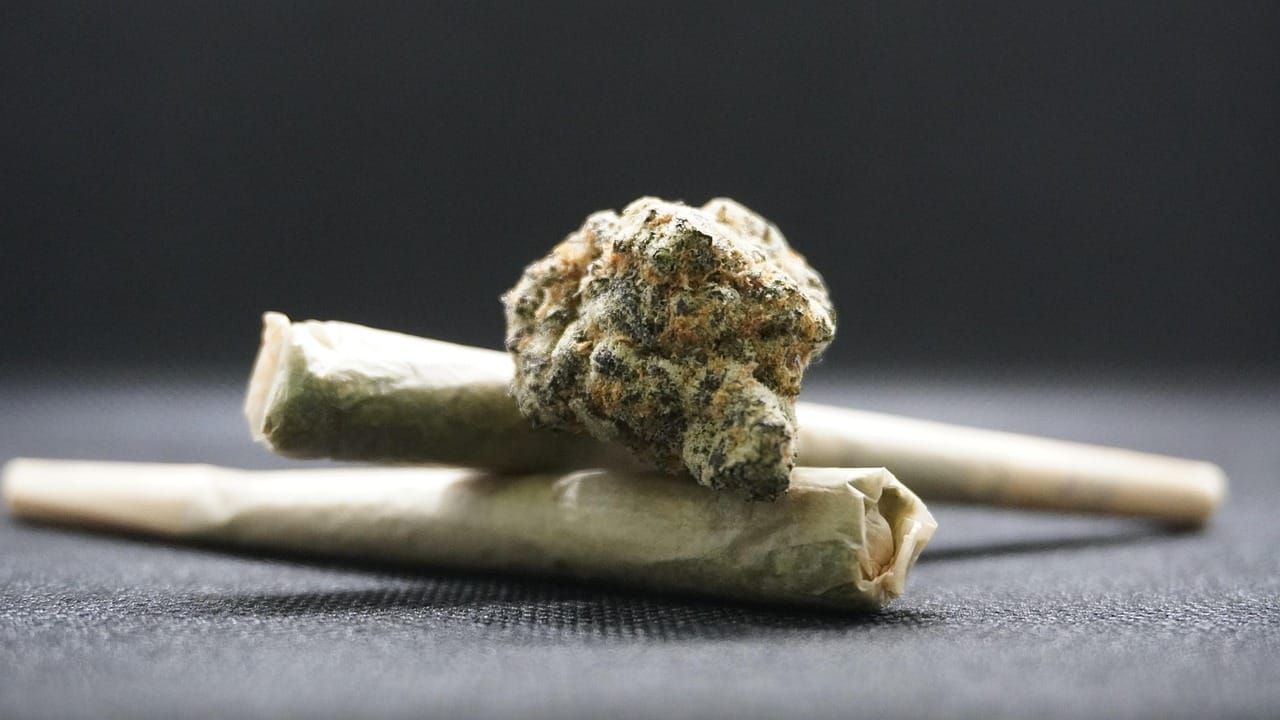
$3.3 billion now. $4.6 billion by 2028.
“That’s a lot of high people,” a friend recently commented when I told him how much money legalized cannabis is generating for New York’s economy.
There are 677 dispensaries in New York right now. You do the math. Their establishments have turned empty storefronts into thriving businesses, especially in New York City, where the demand was so high for legal marijuana that some dispensaries jumped the gun. The ones that opened without licenses needed to be shut down.
And this is a nascent industry. The Lotto brings in $3.6 billion in Lottery Aid to Education and that’s after decades of being in existence.
Legalization benefits everyone
It makes one ponder the possibilities of the government getting out of the way and letting people do what they want in the privacy of their own homes. So far, those possibilities have been a boon to women, who have been issued 57 percent of New York’s cannabis licenses. Fifty-one percent have gone to minority-owned businesses.
These are both statistics that are not easy to achieve. New York should be proud.
Since legalizing cannabis has been such a roaring success, we should ask what other drugs might benefit from decriminalization. What other economic wellsprings could be waiting for us to tap?
READ: A guided trip into psychedelics
New York State Assembly Health Chair Amy Paulin began a public and continuing conversation about legalizing psilocybin (aka “magic mushrooms”) for medicinal purposes. That's the same way that cannabis made its way from “the gateway drug” to no big deal.
Should we talk about the benefits of ketamine for depression? Crystal meth for behavioral health issues? Or the “legal crystal meth,” Adderall for ADHD?
The list goes on. And while I cannot comment on every drug in this article, I can tell you that I’ve been helped mentally and that letting people do what they want in the privacy of their own homes is what the founders intended. How do we know that the founders valued what it meant that one’s home was one’s castle? See: Amendment Three. (And, a tip of the hat to the British East India Company for getting our founders through it all when revolution was not yet even conceived.)
Stop people dying
Aside from the economic, medicinal and ideological reasons, there's one more important reason we need to take a look at legalization largely (but not completely) across the board: fentanyl deaths in the United States.
Treating fentanyl use as a crime, to be suppressed by any means necessary, has been an abject failure of policy. It forces addicts into hiding, where they can't safely seek help and treatment. It nurtures black market dealing that funds violent gangs. And in a grand irony, the best efforts of law enforcement haven't done anything to stop people from overdosing. 48,000 Americans died from fentanyl in 2024 alone.
America has a choice: either we acknowledge that there are a lot of people, including our family members, neighbors, friends and colleagues, partaking in drug use—or we can continue to put our heads in the sand, pretend this isn’t happening and go on letting our borders be a gateway for something killing our citizens instead of taking steps to regulate, purify and clean up a supply chain that’s being used by a lot of Americans each and every day. That’s done via legalization and creating our own regulated supply chain.
Your choice, America. Fewer deaths or more deaths? Choosing more is literally killing people we love.
In the effort to decrease the number of fentanyl deaths in America to a goal of zero, legalizing (or decriminalizing in the states) many drugs will do wonders for our economy, just like cannabis has for New York. We are talking not just dispensaries, but regulatory jobs to manage the supply chain, laboratories (and their construction), manufacturing jobs, corporate jobs, janitorial jobs for offices, 401(k) plans for employees—and more.
The nation is already on a path to legalize drugs on ideology alone, so why not pick up the pace? This will also mean less to pay out in restitution to former inmates, since we won’t be arresting them anymore for selling drugs to the many Americans using them?
I don’t know about all of you, but I prefer the country that has a lot more jobs in the drug trade, a better economy and a lot fewer jobs for paramedics to be busy with on a daily basis.
“Just say no” never worked. Perhaps, “chill out and let people do what they want in the privacy of their own homes” will. It’s a message President Reagan would have appreciated.