The deathbed perspective
It’s easy to forget that life is temporary. How would you live differently with that knowledge in front of you?

I have bad news.
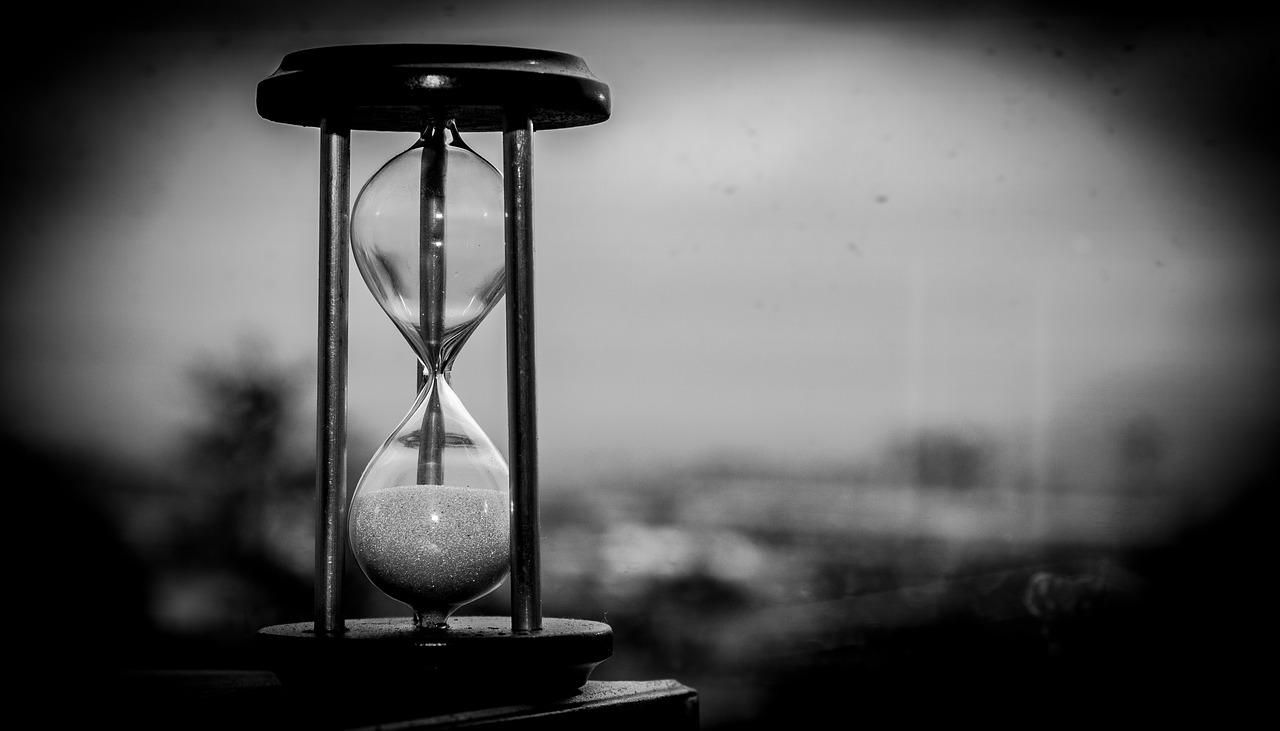
You’ve just been diagnosed with a hereditary disease that’s always fatal. It’s painless and non-contagious, so you won’t suffer or infect anyone else. But there’s no treatment known to medical science. You’re doomed to die in exactly one month.
This is a tragedy at any age. The grief pours over you as you think of all the things you never had the chance to do: the love and friendships you never cultivated, the books you’ve never read, the places you’ve never visited, the dreams never to be realized. They’ve all been cruelly snatched away by the bony hand of fate.
But wait: a miracle! A cure has just been discovered. The clinical trial was a success, and the scientists who created the wonder drug announce they’re giving it out for free, as a humanitarian gesture.
At the last moment, you’ve gotten a reprieve. All the time that you thought you’d lost has been restored to you. You have many years of healthy life ahead, like a rolling green landscape stretching toward a far-away horizon.
How grateful would you be for this gift of time? Knowing how close you came to losing everything… how will you resolve to live from now on?
Don’t live like you’re dying
Obviously, this is a thought experiment. None of us know when we’re going to die, except in unusual circumstances. Even doctors are surprisingly bad at predicting how much time a dying person has left.
When you picture yourself on your deathbed, you’ll know right away which things in your life mattered most—and which ones didn’t.
Besides, the choices you’d make if you knew were dying would, most likely, be very different from the way you’d live otherwise. You’d probably quit your job and stop paying your student loans. You might want to give away your belongings. You could spend your savings on throwing spectacular parties. If you’re especially clever, you could apply for some credit cards and use them to fund a round-the-world bucket-list tour. A solid plan if you’re going to drop dead before the bill arrives; not so much if you intend on living a few more decades.
I’m not endorsing the cliché advice to “live like you’re dying”. However, the point of this exercise is that it clarifies what’s important. If your priorities have gotten jumbled, it snaps them back into order. When you picture yourself on your deathbed, you’ll know right away which things in your life mattered most—and which ones didn’t.
We all need a reminder of this occasionally, because the pace of life makes it easy to forget. Millions of us get caught up in a cycle of commuting, work, chores and sleep: wearing ourselves into a steadily deeper rut, without ever stepping back to reflect on the overall course of our lives. We put our dreams aside, like dusty boxes stacked in the attic, and assume that there’ll be time for them later. What if there isn’t?
Of course, for some people, it takes everything they have just to survive, with nothing to spare. But there are other people who could change their circumstances, but are held back by fear: fear of failure, fear of what others will think, or just fear of shaking up a routine that’s familiar and comfortable. If you’re in this group, the deathbed perspective helps to see that those constraints are self-imposed.
There are no guarantees of success, but what is guaranteed is that the ideal life won’t come to you if you sit back and do nothing. The only way to have the life you want is to make it happen yourself.
We put our dreams aside, like dusty boxes stacked in the attic, and assume that there’ll be time for them later. What if there isn’t?
If you found out your time was up, what would you look back on with the most satisfaction? And what would you most regret not doing?
Everyone’s answers to these questions will be different. It doesn’t have to be wealth or fame. It could be starting a family, being a better partner or parent, quitting an unfulfilling job to take a more meaningful one, writing a book, joining a band, running for local office, or starting your own business. Simple dreams are just as worthwhile as bigger ones—and it’s easier to bring them into reality.
What’s the worst that could happen?
I borrowed my deathbed analogy from the philosophy of Stoicism, which calls this technique “negative visualization“. The counterintuitive idea is that you should spend time each day imagining bad things happening to you: a traffic jam on the way to work, a fight with your spouse, an illness, a fire burning down your home, and yes, even your own impending death. Buddhism has a similar practice, called maranasati or “death awareness”.
This isn’t a counsel of pessimism, but the opposite. The reason is that surprise is part of what makes bad things so awful. Defeat is more humiliating when you anticipated victory; pain cuts deeper when you were expecting pleasure; death seems most unfair when you had planned for a long life. But if you picture those misfortunes in advance, then if they do happen, you’ll be mentally prepared for them—so they won’t affect your happiness as much.
And if these disasters don’t happen, so much the better! You should realize how fortunate your life is, and how grateful you ought to be for all the good things that are yours.
As humanists, we ought to be especially conscious that this life is the only one we get. Nothing is more important than living contentedly—not consumed with regrets or forever chasing unsatisfiable desires. Making gratitude a regular practice is the key to contentment.
We appreciate the good things in our life more when we think of them as gifts to be cherished, not entitlements we deserve and can’t be happy without. That’s why the deathbed perspective is so helpful. Ultimately, everything we possess is temporary. Knowing how to live with that temporariness, and being joyful in the midst of it, is part of wisdom.