

Finding common ground with regenerative agriculture
Can we convince farmers to take climate change seriously while also helping them survive?

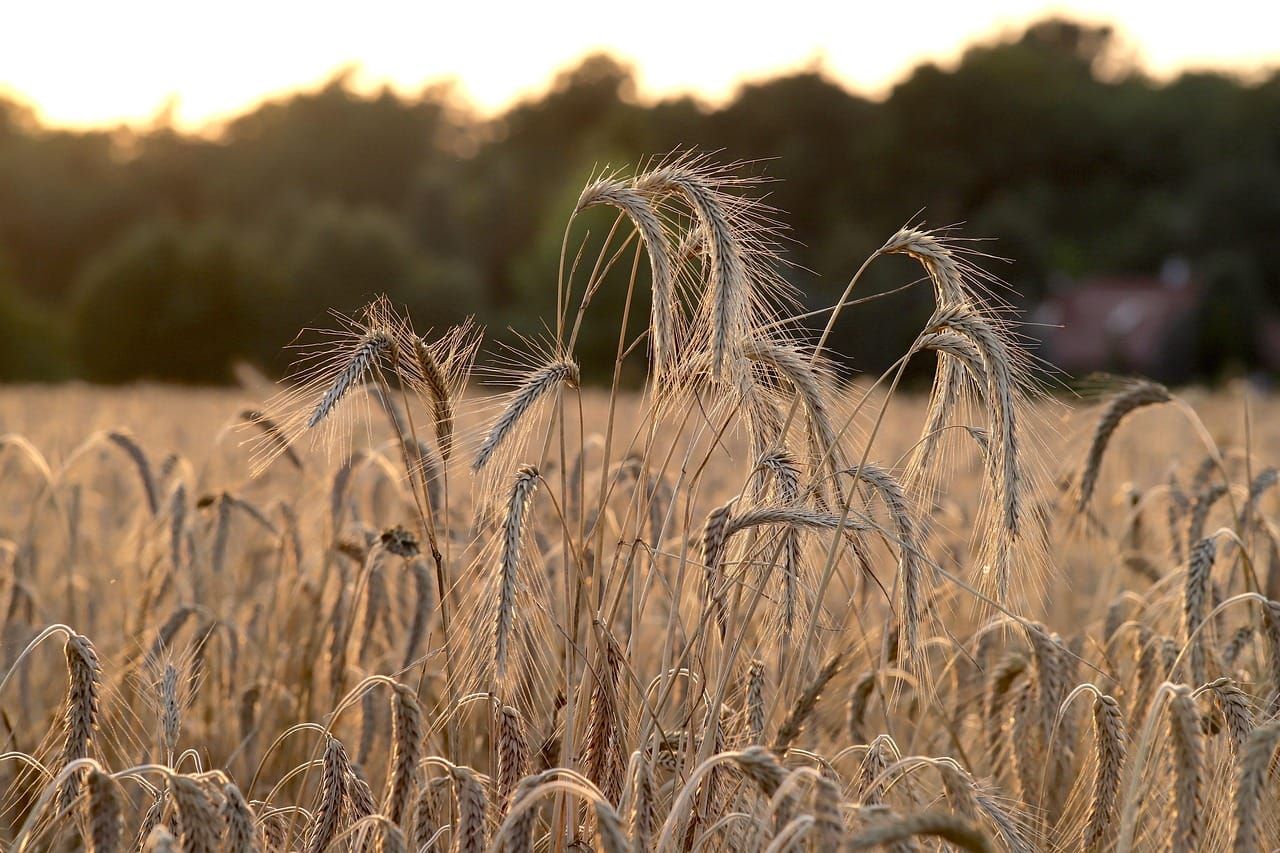
It's a core truth of American politics that farmers vote Republican by large margins. As such, they share the stubbornly anti-science orientation of that party, which rejects expert warnings about climate change, resource depletion, or environmental damage as leftist, woke nonsense.
Given this frustrating fact, how can we have a productive conversation that leads to effective action on our environmental crisis?
With their documentary trilogy Kiss the Ground, Common Ground, and Groundswell, filmmakers Josh Tickell and Rebecca Harrell Tickell propose an answer to this pressing question. In these films, they approach the topics of climate and the environment through the lens of regenerative agriculture. Recently, I connected with Rebecca for a conversation about how this trilogy connects to the larger global regenerative movement. Following are some of the highlights from our conversation.
Why did you choose to focus on regenerative agriculture instead of climate change?
I come from a legacy farming family in the Midwest, who were devoted religious [people] and talked about how being a farmer was part of their service to God. My dad grew up farming during the Green Revolution with lots of chemicals, which they thought was better than tilling. My whole family suffered because of that, and I care about them deeply. But I found that, in order to help them, I had to avoid terms that would divide us in the conversation—like climate change—because that would just create an argument. But if I talked about the weather, science, and agriculture, these were openings for a conversation.
How do your three films build upon each other?
We never intended to make three films when we set out fourteen years ago to make Kiss the Ground as an introduction to the concept of regenerative agriculture. Our current system of farming isn't sustainable. This constant extraction from tilling and spraying the soil with toxic pesticides robs the soil of its ability to grow food. At this rate, we have about forty harvests left on a global scale. Then we ship food around the world that is not safe for humans or animals to consume. We need to transform to a regional food system. This will decrease the waste of transportation fuels to get items from one place to the other, as well as give us locally sourced food that is fresher and healthier to consume.
When we released Kiss the Ground in 2020, we found ourselves blacklisted in Hollywood for daring to say that through regenerative agriculture we could stabilize the climate within ten years. It was an eye-opening experience, both on a personal level with my family, as well as on a community level here in Ventura County, where agriculture is the main profession and our export. But once this film came out and reached over a billion people, it helped bring the idea of regenerative agriculture into the mainstream.
READ: Build a bigger table, not a higher wall
Then the question was, why aren't we doing regenerative agriculture? Common Ground pulled back the curtain on everything that was holding us back from making that change. We talked to whistleblowers at the EPA and the USDA to find out what had happened to our science and what the truth was around our exposure to these invisible chemicals. Every time I thought I knew something about this issue, we would learn something new. This education inspired us to take this global road trip around the world with our children and film Groundswell, where we saw regeneration in every environment and in every situation of life.
What do climate change activists need to understand about farmers?
First, having compassion for farmers as they have a five times higher suicide rate than any other profession in the United States. The last thing they want to hear is from someone who doesn't know anything about farming about how they should do their job when they're already probably facing bankruptcy within a period of time. The reason for that is usually because farmers are locked into these bank loans from their use of chemicals. Treating their crops with chemicals requires more and more chemical usage that becomes an addictive cycle, as well as exposing the farmers to chemicals that impact their health. Farmers have other expenses: new equipment and genetically modified seeds along with chemical inputs, fertilizers, and synthetics that are designed to keep this mono-crop system going.
Farmers tend to be stubborn. They need to be to do their job. But you can convince them to try something different if they see it can produce results. So, they get interested when they see that the farmer down the street is suddenly having a higher yield of diverse products that's making them more money in the first year that they started diversifying than before, that's what happens. Over 90% of farmers who transition to regenerative agriculture see a profit within year one.
When we start putting money towards the people who are the good players, who are actually building the soil organic matter and growing food in a regenerative way, we can start to see structural change happening. I think that the actual policies get changed when people just start doing it, and then the politicians catch up.
How do you see documentary films as vehicles for social change?
Storytelling is the most effective way to create change. It's what creates borders, countries, and political parties. It's what starts and ends wars. We need to end our broken system that's working perfectly well for the chemical companies, and to create a system that works really well for people and for the planet. The goal with the 1 Billion Acres campaign that's tied to these films is to get one billion acres globally in transition to regenerative agriculture. That's roughly 10% of global agricultural land. When we get to a billion acres globally, it is an unstoppable force. We will have the momentum needed to be able to let farmers know they won't have to have the hardships of being the first adopters and early innovators. They have the benefit now of a system that's beginning to work in favor of this new model.
By joining the 1 Billion Acres campaign, people get to be part of this growing movement to heal the planet. All you have to do is commit to eating 10% regenerative organic food, or if you have a business, you commit by 2030 to getting 10% of your supply chain or your product from regenerative agriculture. It's a milestone that we can all participate in and feel good about knowing we are actually doing something to heal our planet and our bodies and, as we stabilize the future for future generations.
Our plans include a TV show with our kids called Athena and Jedi Learn to Fix the Planet that focuses on their journey learning about regenerative agriculture as we toured the world filming Groundswell. In addition, I have a series on women and regeneration that ties into the UN's designation of this year as the International Year of the Female Farmer that speaks to how when women are empowered, we heal our environments. Also, I have my own project here in Ventura County where I live, called Regenerate Ojai, that gives an example of what people can do within their own communities.