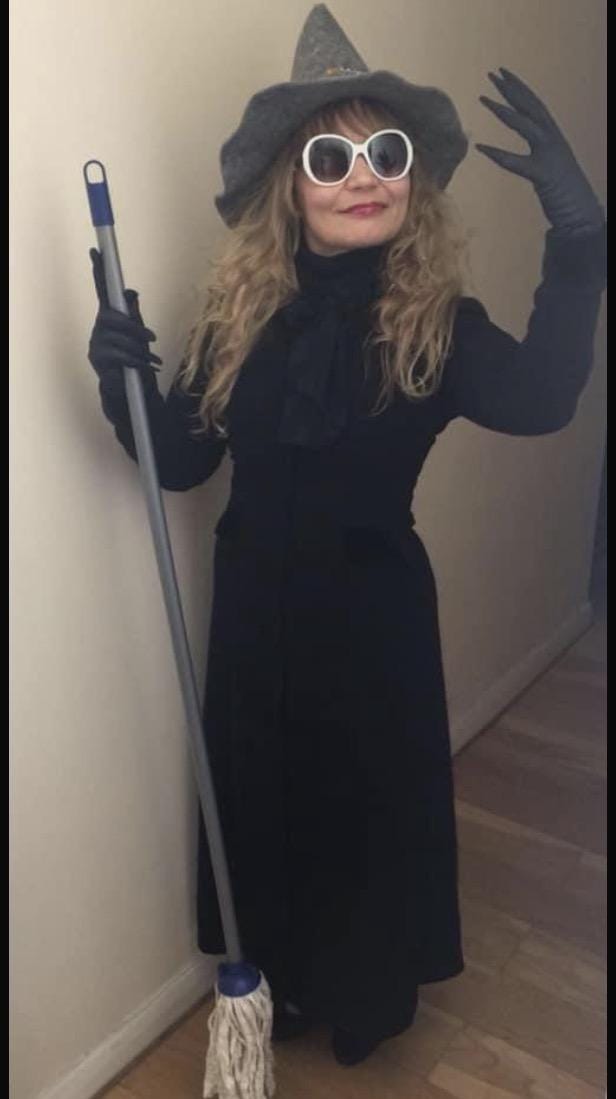

Halloween: The evolution of a Celtic pagan festival into a secular celebration
The history of Halloween points toward its future evolution.

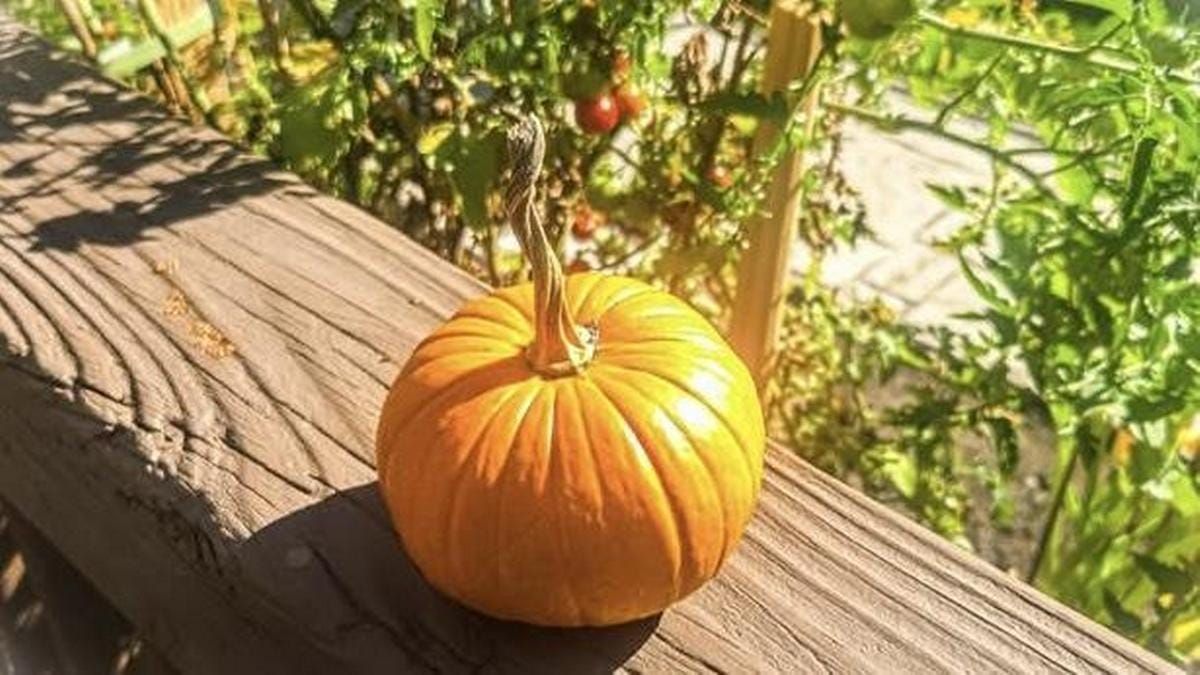
Many people believe Halloween is a modern American invention, but it is much older than that. The true origin of Halloween is a complex 2,000-year-old blend of Celtic paganism, Roman harvest festivals, and Catholic Christian holidays. Over time, Halloween evolved from a spiritual transition marking the end of summer into the secular, commercialized celebration we all know today.
The Celtic and Roman roots of Halloween
The primary origin of Halloween dates back more than 2,000 years to the ancient Celtic festival of Samhain (pronounced ‘sah-win’), celebrated from October 31 into November 1 in what is now Ireland, the United Kingdom, and northern France. Samhain marked the Celtic New Year, the end of the harvest, and the beginning of the dark, cold winter.
The Celts believed that on the night of October 31, the boundary between the worlds of the living and the dead became blurred, allowing spirits, fairies, and demons to roam the Earth. To protect themselves from these wandering spirits, people lit sacred bonfires and wore disguises made of animal heads and skins so the ghosts would mistake them for fellow spirits. They also left food out on their doorsteps to appease the dead.
By 43 CE, the Roman empire had conquered the majority of Celtic territory. Over the next 400 years, two Roman festivals known as Feralia and Pomona were combined with the Celtic celebration of Samhain. Feralia was a day in late October when Romans traditionally commemorated the passing of the dead, and the Pomona’s Festival was a day honoring Pomona, the Roman goddess of fruit and trees. Pomona’s symbol was the apple, which explains why the tradition of bobbing for apples became deeply intertwined with Halloween.
The Christian overlay
By the 7th and 8th centuries, the Catholic Church had become a dominant force in Europe. The church sought to replace pagan celebrations with Christian alternatives.
In the 8th century, Pope Gregory III moved the church’s celebration of All Saints’ Day, which was originally celebrated in May, to November 1. In Middle English, this day was called All Hallows’ Day. Naturally, the night before became known as All Hallows’ Eve, which eventually contracted into Halloween.
In 1000 CE, the Church designated November 2 as All Souls’ Day to honor the dead, mimicking Samhain’s themes with church-approved bonfires and costumed parades.
How Halloween reached America
Early Puritan colonists rejected Halloween due to its pagan and Catholic associations. However, in the 19th century, a wave of Irish and Scottish immigrants escaping the Great Potato Famine brought their folklore traditions to the United States. In America, these European customs blended with Native American harvest celebrations, transforming Halloween into a secular community event centered around storytelling, mischief, and costumes.
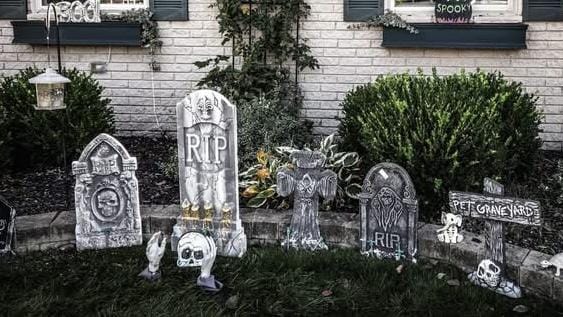
Trick-or-treating is rooted in Celtic practices of leaving food for spirits and the medieval Christian practice known as “souling,” where the poor went door-to-door offering prayers for the dead in exchange for “soul cakes.”
Jack-o’-lanterns originated from an Irish myth about a man named “Stingy Jack.” In Ireland, people carved menacing faces into turnips to ward off evil spirits; immigrants switched to the larger native pumpkins when they reached America.
Black cats stemmed from Middle Age superstitions that black cats were the familiars or shape-shifted forms of my personal favorite: witches, who follow a similar dark evolution. Let’s not forget that most of those accused of witchcraft were women.
The iconic Halloween witch with her iconic pointy hat, flying broomstick, and bubbling cauldron is a medieval and early modern caricature dreamed up by the Christian church to demonize pagan traditions and independent women.
Season of the witch: From wise woman to devil worshipper
In ancient Celtic society from the Bronze Age through the Iron Age, the people we would later call “witches” were revered Druids, healers, and wise women. Druids were influential religious leaders, judges, and teachers who were highly respected. They possessed deep knowledge of medicinal herbs, midwifery, and agricultural cycles. During the festival of Samhain, people looked to them for prophecies about the coming winter.
However, as Christianity spread across Europe, the Church sought to eliminate competing pagan belief systems. That was the beginning of the demonic rebranding.
Gods of the old religions were recast as devils, and pagan priestesses or healers were labeled as dangerous heretics who had made a pact with Satan. When the witch hunts began, anyone practicing traditional herbal medicine or folk magic could be executed. The years between 1500 and 1700 were the peak of the European witch trials, with an especially severe witch hunt in Scotland, where over 3,800 people were accused of witchcraft. Because Samhain was already associated with the dead and the supernatural, it became the perfect backdrop for stories about witches gathering to perform dark rituals.
The classic look of the Halloween witch wasn’t pulled out of thin air; it comes from real historical practices and superstitions.
Brooms were everyday household tools associated with women, but they also had pagan roots. In ancient fertility rituals, farmers would jump high into the air while straddling brooms or pitchforks to show the crops how high to grow. Later, during the witch trials, it was believed that witches rubbed hallucinogenic herbal ointments onto wooden handles to absorb them through the skin, causing intense dreams or sensations of “flying.”
The cauldron also has a pagan origin. Pagan healers used large iron cauldrons to brew herbal remedies, teas, and stews. The Church’s vivid imagination re-imagined these ordinary cooking pots as vessels for brewing poisons, curses, and malevolent potions, according to historians at the National Trust for Scotland.
And the pointy hat, a distinctive medieval hat, was assigned to the witch. In the medieval era, sharp, conical hats were often associated with eccentric figures, or used to identify marginalized groups such as Jewish populations forced to wear the Judenhat. Over time, artists began illustrating anti-Christian figures and “hags” in pointy hats to visually mark them as social outcasts.
The beginning of the secular holiday
Halloween transitioned into a highly commercialized, secular holiday in late 19th and early 20th-century America. The horrifying history of the witch trials were smoothed over into family-friendly fun. Postcard companies and costume manufacturers leaned heavily into the imagery of the cackling, green-skinned witch because it was visually striking, spooky, and highly marketable.
Since then, Halloween celebrations have continued to evolve and adapt. Today’s technology used to create haunted houses and spooky scares would look like magic to those people who accused women of witchcraft and devil worship in previous centuries. As for those Halloween witches, the truth of the matter is that women for at least the last hundred years have enjoyed dressing up as witches. As this increasingly secular and multicultural holiday spreads around the world, the witches may have the last laugh over the churches that sought to persecute and suppress them.