

Artemis II brings us one step closer to a Moon base, future missions to Mars
Is humanity ready to establish a sustained presence on the Moon?

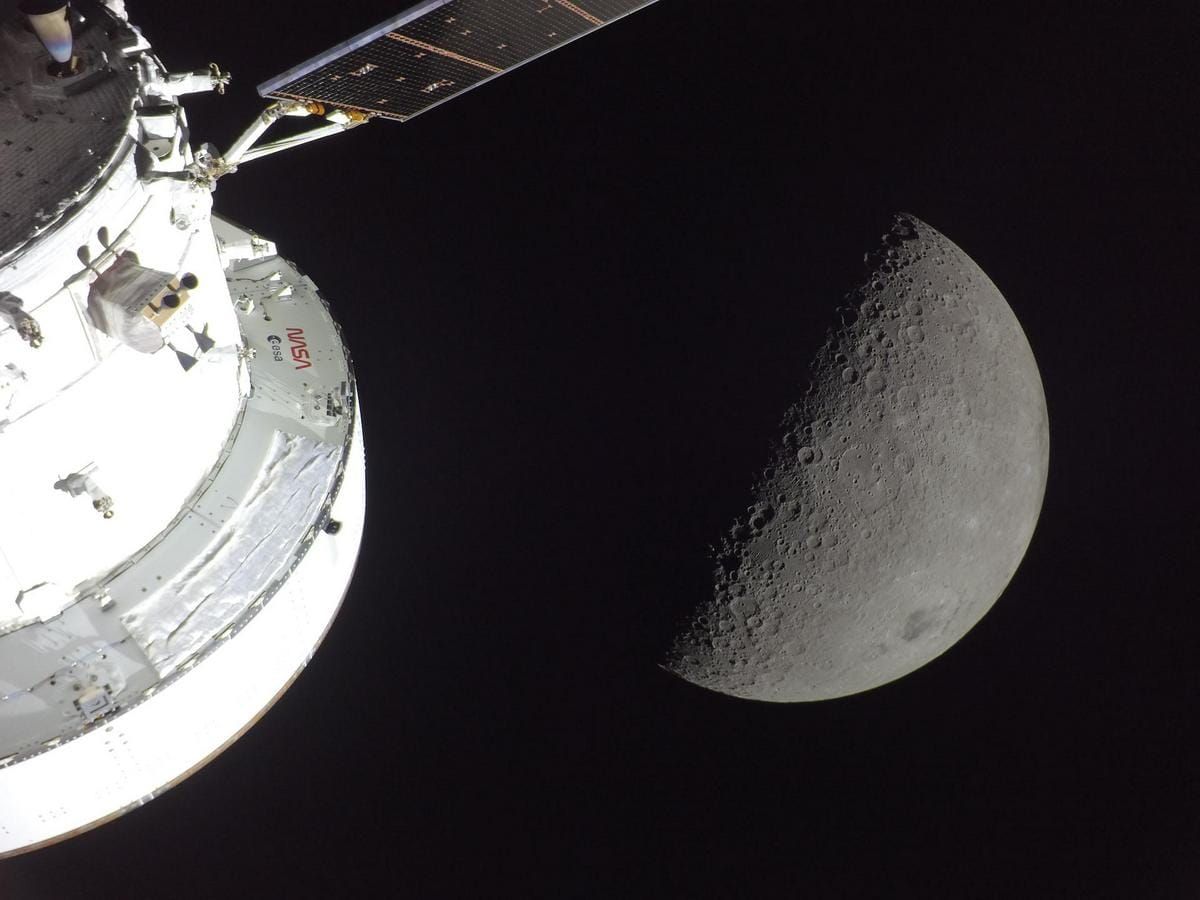
Space, a final frontier. These are the voyages of the Artemis. Its mission, to explore the Moon, to seek out new life and establish new human civilizations, to boldly go where no one has gone before…
In the fictional future of Star Trek, the starship Enterprise was commissioned on a five-year mission to explore strange new worlds, to seek out new life and new civilizations. Captain Kirk and his First Officer Mr. Spock took viewers on spacefaring adventures that were only possible in the realm of science fiction.
Today, the success of the Artemis II mission brings us one step closer to that future. Warp drives, wormholes and other contrivances still belong to the domain of sci-fi, but the prospect of space exploration by human beings is no longer pure fiction. It's reality in the making.
The Artemis II crew—NASA astronauts Commander Reid Wiseman, Pilot Victor Glover, and Mission Specialist Christina Koch; and CSA (Canadian Space Agency) Mission Specialist and former fighter pilot Jeremy Hansen, who became the first Canadian to fly around the Moon—landed at Ellington Airport near the agency’s Johnson Space Center in Houston, Texas on Saturday, April 11, 2026. There they'll undergo standard postflight reconditioning, evaluations, and lunar science debriefs.
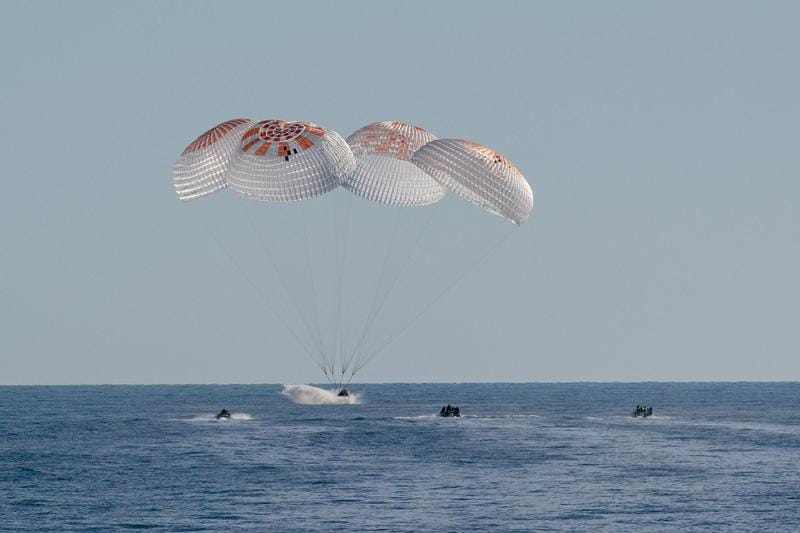
The crew returned to Earth on April 10, splashing down off the coast of San Diego after their historic mission. They traveled on a nine-day journey around the Moon inside a small capsule, sleeping in bags, eating shelf-stable food, and skipping showers before coming back to Earth. The mission’s goals were to verify life-support, navigation, and human-rated systems in deep space, in order to prepare for future lunar landings and Mars exploration.
New technology used by NASA on this mission included a highly advanced space toilet inside the Orion crew capsule, designed specifically for microgravity conditions. For the past 26 years, and thanks to the experience of astronauts in the International Space Station (ISS) in low Earth orbit, scientists have a better understanding of the effects of microgravity on the human body. This experience allowed NASA to include exercise equipment aboard Orion for the crew to test out and use, adding more data for future missions.
READ: From Earth to Jupiter
During their flyby, they tested communication and navigation systems and life-support systems that generate breathable air. On flight day five, Artemis II entered lunar space. The crew tested their spacesuits, assessing their ability to rapidly don and pressurize the suits, which would be an essential emergency measure in case of cabin depressurization.
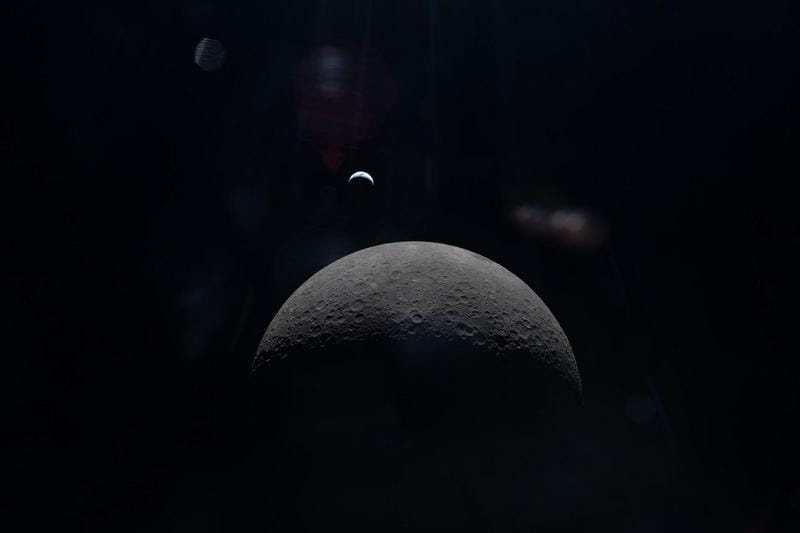
In case of Orion losing pressure during the mission, the spacesuits are equipped with feeding, drinking, and waste management tubes. They can protect the crew for up to six days, giving them enough time to return to Earth. The astronauts captured over 7,000 images of the lunar surface and even a solar eclipse. They recorded extensive observational data and tracked specific geological formations.
One important milestone took place on flight day seven, when the Orion crew held a short audio call with the crew on board the International Space Station. This marked the first space-to-space communication by human beings.
Importance for a Moon base
The Artemis II crew surveyed the lunar South Pole, specifically for identifying potential sites for a permanent lunar outpost. The scientific research carried out by the astronauts included the study of lunar dust and surface features such as the Orientale Basin in real-time. This data will be crucial for future habitat construction.
The Artemis II mission is another step in planning for a lunar space station and also contributes to lunar science. Perhaps one of the most important goals is to make the Moon a stepping stone for future crewed missions to Mars.
From Earth to the Moon and all the way to Mars
The Artemis II mission was NASA’s first crewed lunar flyby in over half a century. Future missions include Artemis III, to be launched in mid-2027. It will stay in Earth orbit, testing Orion’s ability to dock with one or both of the crewed lunar landers under development by private companies: SpaceX’s Starship and Blue Origin’s Blue Moon. Artemis IV, a crewed trip to be launched in late 2028, is planned to be humanity’s return to the lunar surface. Astronauts will explore the lunar south pole region, which is thought to contain water ice—a vital resource for a permanent base. Two astronauts will spend a week there, as part of NASA's long-term plan to establish a sustained human presence on and around the Moon.