
Tech trends: 2026—2030
The future is coming soon.

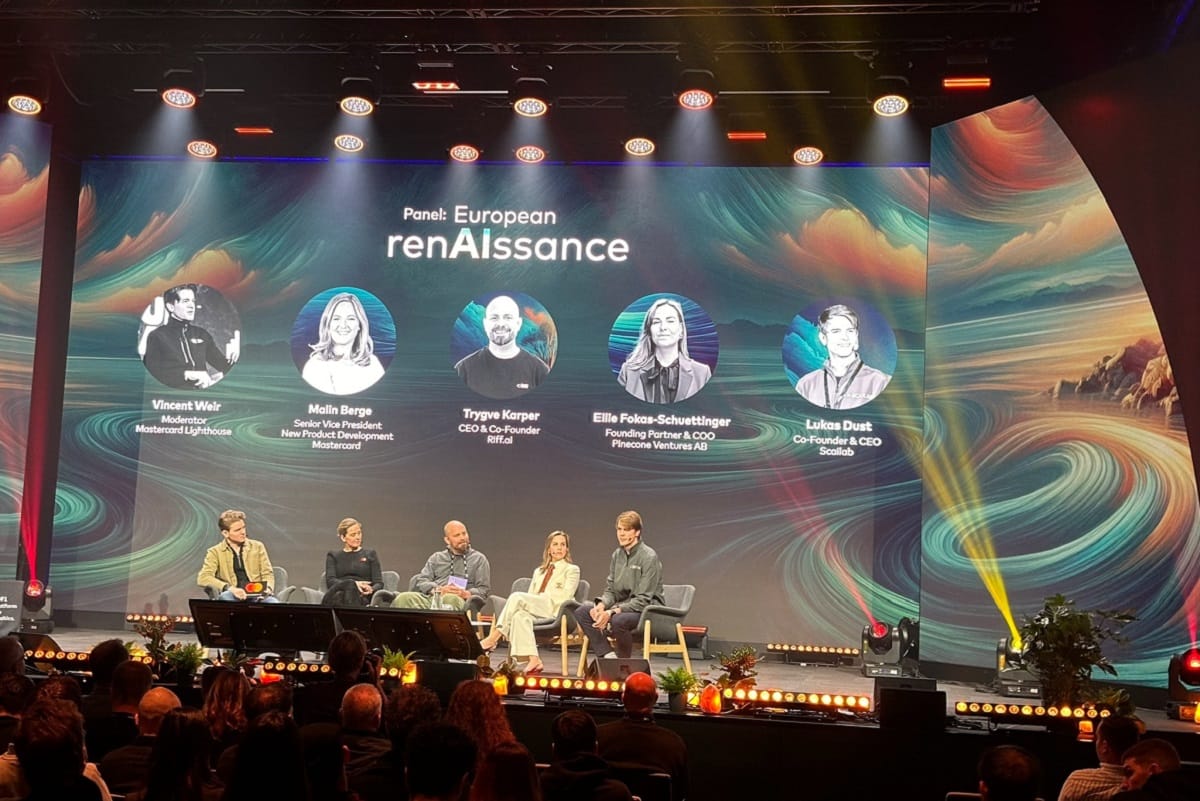
In November, for the 17th consecutive year, I attended Slush, a global startup and venture capital conference in Helsinki, Finland. I had the opportunity to speak with startup founders, international investors, and researchers about what emerging technologies and scientific innovations we can expect to see from 2026 through 2030. Unsurprisingly, the dominant theme was the integration of artificial intelligence (AI) into everything.
From AI and robotics to biotech and quantum computing, from autonomous vehicles, factories, smart cities and smart environments to clean energy and space exploration, the theme is the same: during the next five years we can expect a progressive shift from tools that help us into AI systems that think, adapt, and create alongside us. In other words, the human+machine era that we have been discussing for over a decade is now becoming a reality that we can no longer ignore.
We are entering a decade of co-intelligence and ambient intelligence: humans and machines designing new materials, new foods, medicines, workflows, and even new realities. Here is a small sample of what I saw recently and what is coming.
AI evolves into autonomous cognitive infrastructure
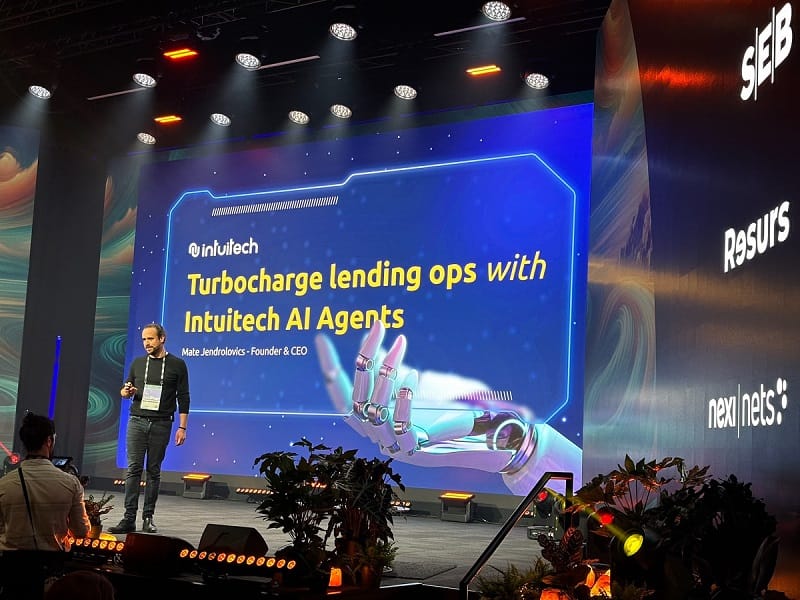
The artificial intelligence we know today will evolve from just a tool into an autonomous cognitive layer that will run across everything from networks and smart cities to supply chains, medical systems, and even devices. This will include self-directing AI agents that can independently plan, negotiate, purchase, schedule, and optimize. AI-governed operating systems will run across smart factories, hospitals, and governments. As we move towards 2030, hyper-real simulations (“reality twins”) will run in real time to test decisions before humans make them. This could mean eliminating the possibility of risk and failure from the equation. We are going to see how AI-native programming transforms outcomes described by humans into all AI-written and maintained code.
Quantum-classical hybrid computers start creating breakthroughs
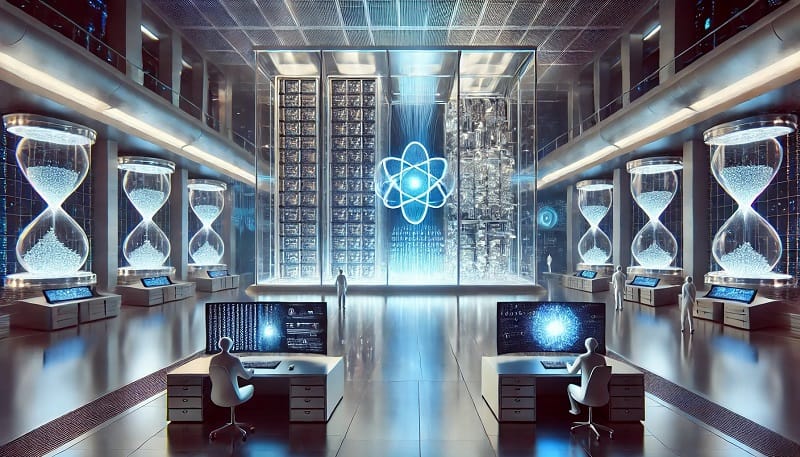
Don’t expect full quantum supremacy yet, but we can expect enough stability and scale for hybrid workflows that are able to solve molecular simulations for drug discovery and materials, cryptanalysis of outdated encryption methods, and large-scale optimization in logistics and energy grids. Quantum sensors will improve climate forecasting, brain-computer research, and navigation without the aid of GPS. One of the most challenging and exciting applications of quantum-classical hybrid computers is the vision of unlocking materials and drugs that are literally impossible to invent with classical computers.
Biotech’s next leap: Programmable biology
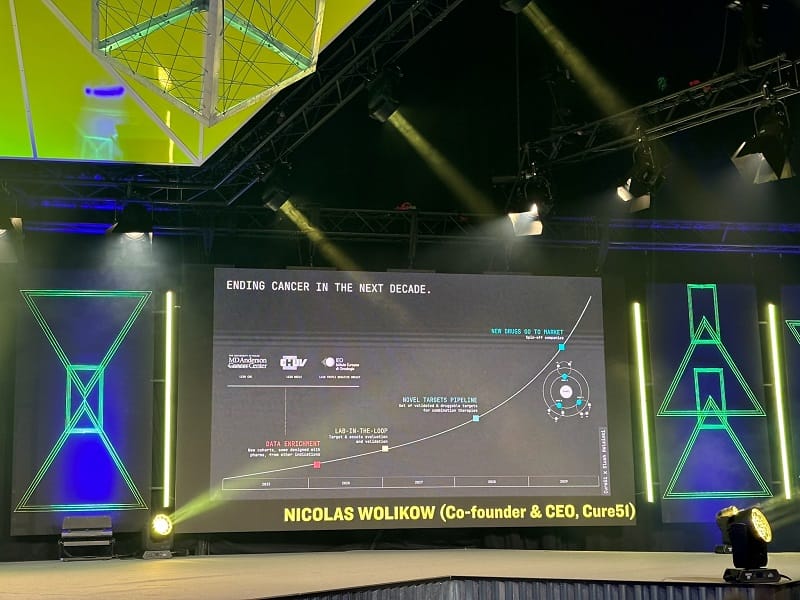
Biotechnology is one of the most exciting spaces to watch in the next five years. We will start treating cells like code and biological problems like software bugs. What can we expect?
Together, CRISPR and AI-driven genomics will give rise to cellular factories that produce chemicals, food proteins, fuels, and rare materials. Emerging personalized gene therapies that reboot immune systems or repair genetic errors leave the trial zone and become accessible to anyone who needs it. This is not far into the future. This is happening now. Recently, a young boy in the United Kingdom successfully received a personalized gene therapy treatment as part of a research trial to treat a rare genetic disorder called Hunter Syndrome, which affects only males and less than 2,000 boys globally. Also, we will see emerging synthetic microbes specifically designed to absorb carbon, clean oceans, or produce medicines.
Self-evolving robotics and autonomous factories
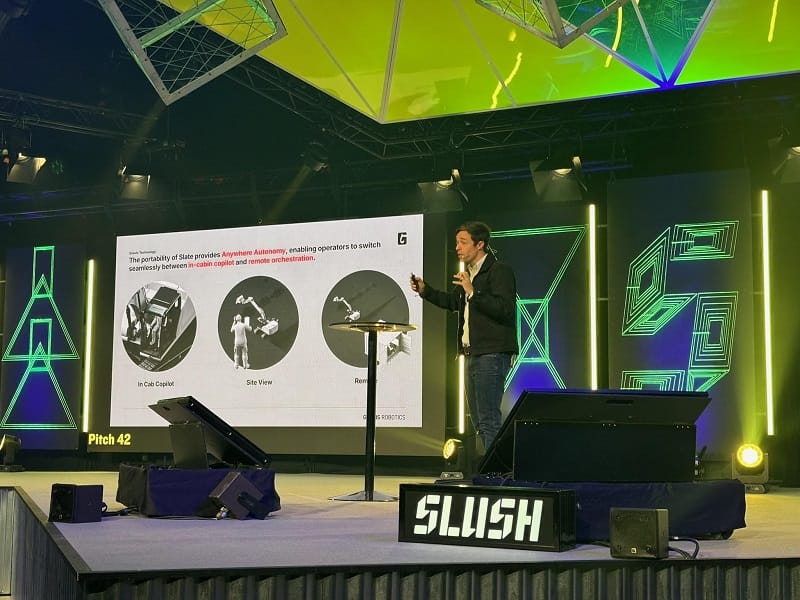
This is also an utterly exciting space that is evolving rapidly. In the next few years, robots will stop being just tools and start acting like adaptive co-workers that improve month-to-month. In other words, these are robots that learn on the job and share skills through cloud-based “robot knowledge bases.” It may sound like science fiction, but it is not. This year, we have seen some of the first generalist robots capable of dozens of household or industrial tasks, not just limited to one task. In the manufacturing sector, semi-autonomous factories become fully autonomous, lights-out factories for high-volume production. The adoption of swarm robotics for agriculture, disaster response, and construction will become more common and relevant within this five-year period.
Universal personal health dashboards
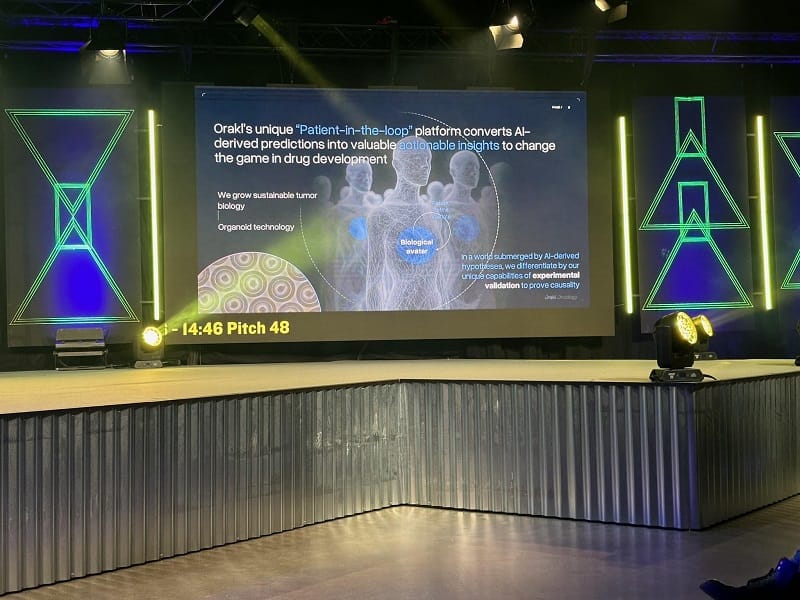
Healthcare is one of the sectors that will see the greatest benefits from AI applications. In the next few years, healthcare will become anticipatory rather than reactive; disease detection becomes ambient (ambient intelligence) with continuous metabolic sensor monitoring of glucose, ketones, and inflammation embedded in human environments that quickly collect and analyze medical data. AI predicts illnesses weeks in advance and early treatment helps to win battles against illnesses that were a death sentence before. Digital phenotypes become more common, acting as real-time health mirrors that understand aging, stress, toxins, sleep, and nutrition.
Autonomous transportation becomes foundational infrastructure
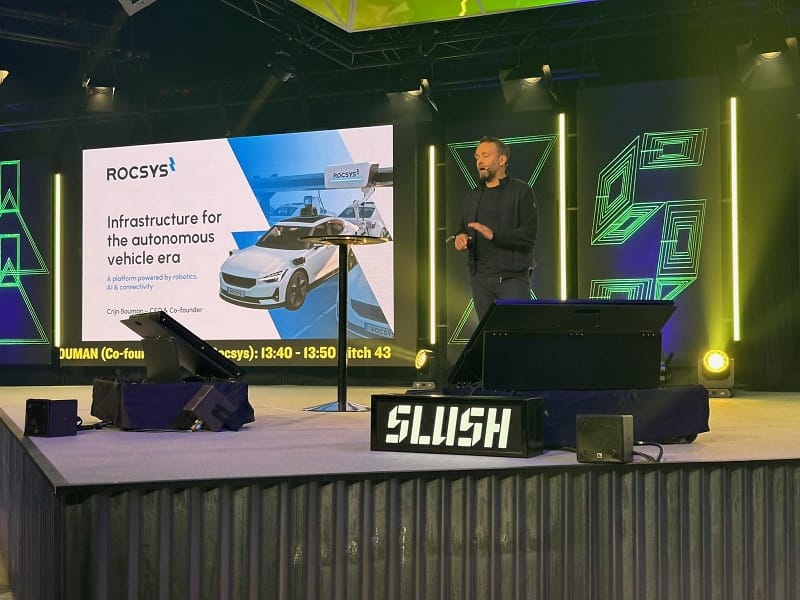
Multiple startups across the globe are focusing their efforts on autonomous transportation and smart infrastructure. We can expect to see driverless freight corridors across Europe, the U.S., and some parts of Asia. Autonomous micro-delivery fleets are coming to most large cities. If you visit pilot cities such as Tallinn, Estonia, you can already see these micro-delivery robots in the streets. And because the sky is the limit, aerial autonomy in the form of drones, cargo VTOLs, and flying taxis will also see major advancements and deployments in the five-year period towards 2030. Also, possibly pilot-assisted autonomous jets will populate the skies. Transportation will become a software service layered onto physical roads and skies.
Developing technology with ethics
There are many more developments that we will discuss in the future. As always happens with technology innovations and timeline advancements, we must take into account that markets, funding, regulation, social acceptance, and unforeseen bottlenecks may either accelerate or delay certain developments; this makes the timeline slightly flexible.
Some plausible near-futuristic ideas rely on multiple breakthroughs happening in materials science, AI, regulation, manufacturing, and so on. In those cases, there could be a delay in the timeline. Finally, despite the fact that I have only focused on the positive applications of AI technology, we have to remember that any technology can be used for good or for bad. These are technologies that must be kept under a heavy watch, for if they fall into the wrong hands, the outcome and the future of humanity might look rather different than expected.
